
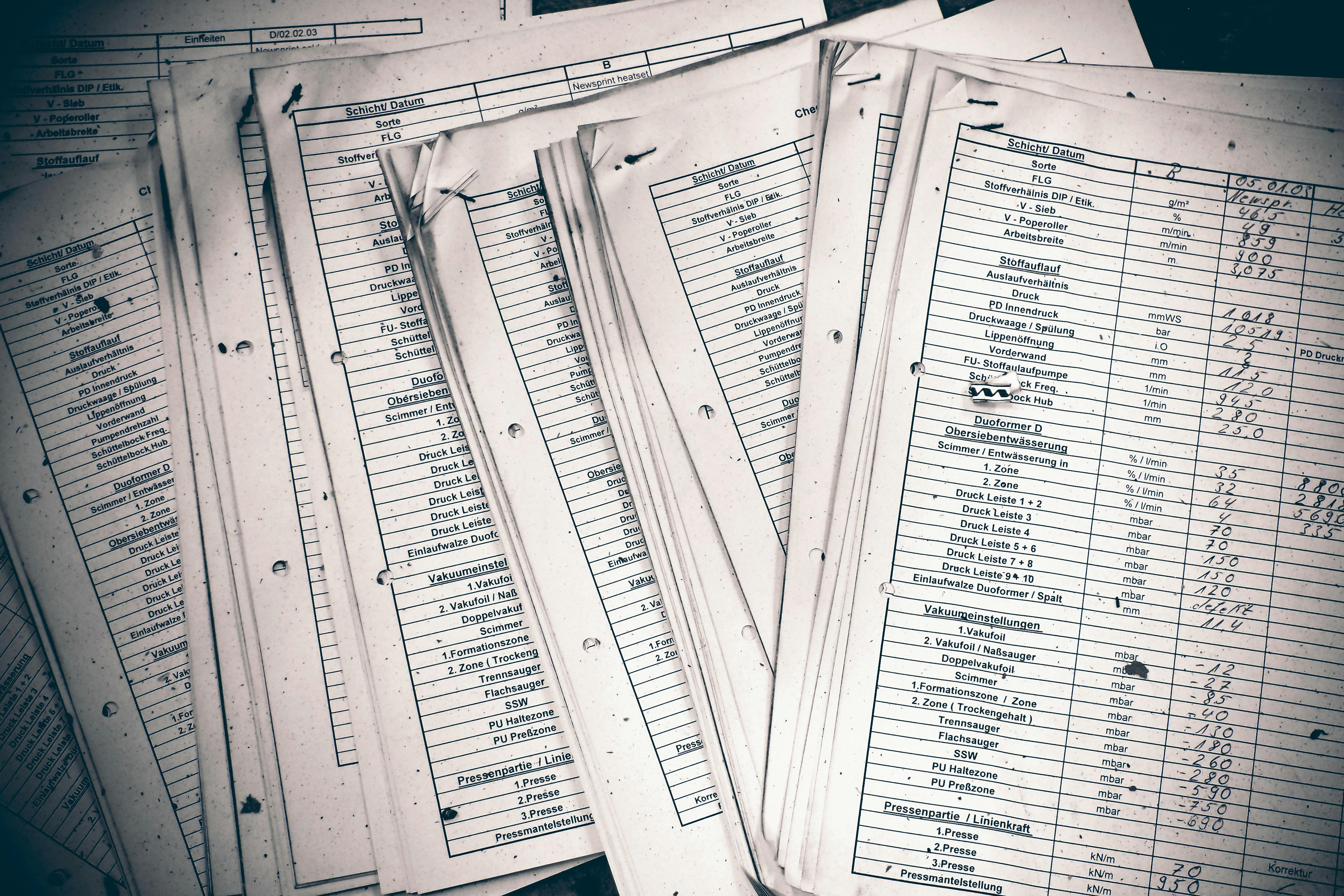
Government departments across India are under pressure to provide faster, more transparent services to citizens. Yet many critical records — land deeds, case files, licenses, tax records — remain on paper.
Digitizing archives is a powerful way to improve service delivery, but the project must be planned carefully. This checklist helps departments prepare for an archive digitization initiative.
1. Clarify the objective
Before starting, define what success means:
- Faster citizen service delivery at counters
- Better support for RTI applications and court cases
- Protection of fragile historical records
- Space optimisation in record rooms and offices
Clear objectives guide technical and process decisions.
2. Inventory your records
Even a high‑level inventory is useful:
- Types of records (land, tax, legal, citizen services)
- Age of records and typical file sizes
- Storage locations (central archive, taluk office, panchayat, etc.)
- Languages and scripts used
This helps estimate page volumes and plan the right scanning strategy.
3. Decide on access rules
Government records have different sensitivity levels. Work with legal and administrative teams to define:
- Which records are public, restricted or confidential
- Who can access which records after digitization
- How audit logs should be stored and reported
Your digital archive and software must support these access rules.
4. Prepare record rooms
Before scanners arrive:
- Clean and organise shelves and bundles
- Update basic labels on racks and boxes
- Identify fragile records that need special handling
- Provide dedicated workspace and power for the digitization team
Good preparation prevents operational delays once the project starts.
5. Standardise file naming and indexing
Agree on consistent file naming and indexing across districts and offices, for example:
- State / district / taluk / village
- Survey number or case number
- Year and document type
This ensures that a record found in the digital system can be traced back to its physical origin if needed.
6. Address legal admissibility
For many government processes, scanned copies must be acceptable in courts or audits. Speak to:
- Legal department about certified copies and evidentiary value
- IT teams about digital signatures and hash‑based integrity checks
- Archives department about preservation standards
Capture these requirements in the project scope so they are not missed.
7. Plan citizen‑facing access
The true benefit of digitization appears when citizens can:
- Receive certified copies faster
- Check status of applications online
- Reduce repeat visits to offices
Ensure your chosen solution supports future integration with citizen portals and service centres.
8. Monitor progress and quality
Set up a simple dashboard:
- Files and pages digitized per day
- Percentage of records quality‑checked
- Number of re‑scans and errors
Weekly reviews keep the project on track and highlight field‑level challenges early.
Archive digitization can feel complex, but with a clear checklist and the right partners, government departments can protect decades of records while making everyday citizen services faster and more transparent.